UK Government Eyes Big Fee Hikes for Gambling Commission: Remote Casinos Face Steepest Increases
Jonas Schmitt · Apr 18, 2026

UK Government Eyes Big Fee Hikes for Gambling Commission: Remote Casinos Face Steepest Increases
The UK government has kicked off a public consultation on jacking up annual fees paid to the Gambling Commission, with remote casino operators staring down the barrel of the biggest jumps—think total fees climbing from £6.2 million to anywhere between £10.1 million and £13.8 million, all depending on the option picked and tied directly to gross gambling yield (GGY) market share alongside regulatory risk weightings.
Unpacking the Proposal's Core Changes
Observers note how this move aims to reshape the funding landscape for gambling regulation, as the consultation lays out substantial increases across various operator categories, but remote casinos—those handling online play—stand out with the most dramatic shifts because their fees scale with market dominance and heightened risk factors. Non-remote casinos, operating under the Casino 1968 Act and Casino 2005 Act, will see fees harmonized just as previously pledged, smoothing out discrepancies that have lingered for years while ensuring everyone shoulders a fairer load based on actual activity levels.
What's interesting is the layered approach here; fees won't blanket everyone the same way, since calculations hinge on GGY contributions—which captured £4.9 billion from remote casino sectors alone in recent figures—multiplied by specific risk weightings that reflect compliance histories and operational complexities, so bigger players with larger yields end up paying more to match the regulatory oversight they demand.
And take the preferred Option 3, for instance: it bundles a straightforward 20% base increase across the board with an additional 10% ringfenced slice dedicated explicitly to battling illegal gambling markets, meaning those extra funds get earmarked for enforcement against unlicensed operators that undercut the regulated space.
How Fees Get Calculated: GGY and Risk in the Spotlight
Experts who track these shifts point out that the new structure revolves around gross gambling yield as the primary metric—GGY representing total stakes minus winnings returned to players—allowing the Gambling Commission to tailor fees proportionally to an operator's slice of the pie, whether they're dominating remote casino tables or running physical venues. For remote operators, this could mean fees ballooning by 63% to 122% under different scenarios, pushing those current £6.2 million totals toward £13.8 million at the high end, all calibrated through banded market shares from under 1% up to over 20%.
But here's the thing: risk weightings add another layer, assigning higher multipliers to segments like remote casinos because they operate across borders and face amplified money laundering risks, whereas lower-risk categories such as society lotteries might see more modest bumps; this ensures resources flow where problems cluster most, according to the consultation documents.
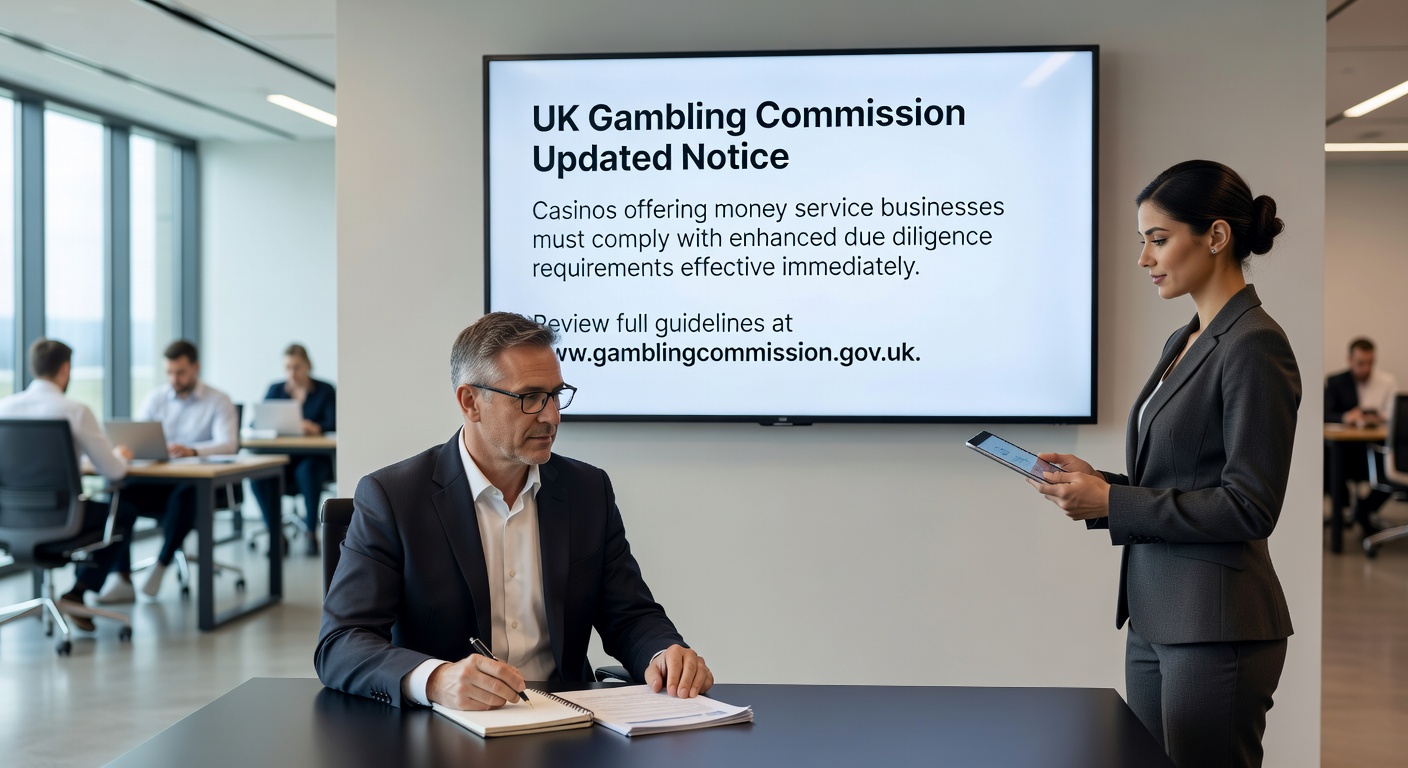
Those who've studied past fee models recall how earlier adjustments in 2020 already leaned into activity-based charging, yet this round pushes further by integrating those risk elements more aggressively, so operators with spotty compliance records feel the pinch harder than clean performers.
Harmonizing Non-Remote Fees: A Long-Awaited Tweak
Turning to land-based operations, the proposal delivers on a commitment to align fees for casinos licensed under the older 1968 Act with those under the modern 2005 Act, eliminating the patchwork that's complicated budgeting for years; this harmonization applies a unified formula that factors in table numbers, machine counts, and GGY thresholds, potentially easing administrative headaches even as overall costs rise modestly compared to remote counterparts.
One case where this matters: smaller regional casinos, often hovering near GGY break-even points, will benefit from banded protections that cap excessive hikes for low-yield sites, although everyone absorbs that baseline 20% uplift plus the 10% illegal markets levy under Option 3.
Timeline and Path to Implementation
Changes won't hit immediately, since the consultation runs through early 2025 with responses shaping the final blueprint; secondary legislation from the Department for Culture, Media and Sport (DCMS) will then lock it in, targeting an effective date of 1 October 2026, giving operators over a year to adjust balance sheets ahead of the fiscal shift.
Now, tie this to the bigger picture: the Industry Statistics Annual Report for the financial year April 2024 to March 2025 reveals remote gambling GGY surging 8% year-on-year to £7.5 billion overall, underscoring why regulators seek sustainable funding now, especially as April 2026 approaches with fresh data cycles that could validate or tweak these projections.
That said, transitional arrangements soften the blow; fees phase in without retroactive claws, and smaller operators qualify for relief bands that limit annual jumps to 20% where GGY dips below certain thresholds, ensuring the system doesn't crush upstarts overnight.
Broader Context: Funding Regulation in a Growing Market
People in the industry often highlight how the Gambling Commission's budget has strained under expanding oversight demands—from post-White Paper reforms to enhanced affordability checks—necessitating these hikes to cover an estimated £47 million shortfall projected over coming years, with remote sectors footed for the lion's share since their digital scale amplifies regulatory touchpoints.
Turns out, similar consultations have paved the way before; back in 2019, fees rose 30% across bingo and casinos to plug gaps, yet compliance rates held steady, suggesting operators adapt without folding, although whispers from trade groups flag margin squeezes amid fierce competition.
What's significant here involves that ringfenced 10%: it channels funds straight to disrupting offshore black markets that siphon £1.5 billion annually from UK players, per enforcement data, making the increase not just a cost but a targeted weapon in the regulatory arsenal.
Stakeholder Input and What's Next
The consultation invites feedback from operators, trade bodies like the Betting and Gaming Council, and consumer advocates until February 2025, with DCMS and the Gambling Commission analyzing submissions to refine options—perhaps dialing back risk weightings if pushback mounts, although Option 3 remains the frontrunner for its balance of revenue and purpose.
And while remote giants like those controlling 20%+ GGY shares brace for seven-figure escalations, the formula's transparency—published in full appendices—lets everyone model impacts via provided calculators, turning potential shock into calculated planning.
Observers who've followed these cycles know the rubber meets the road in secondary legislation drafts come mid-2025, setting the stage for October 2026 when ledgers reflect the new reality across a sector that's grown GGY to £18.4 billion industry-wide last year.
Wrapping Up the Fee Overhaul
In the end, this consultation spells a pivotal recalibration for Gambling Commission funding, pitting substantial remote casino hikes—up to £13.8 million for top players—against harmonized non-remote alignments and a preferred Option 3 blending 20% base rises with 10% anti-illegal levies, all slated for 1 October 2026 via DCMS-backed rules. Data from recent annual reports underscores the timing, as remote GGY climbs signal escalating oversight needs, while banded protections and phase-ins keep the transition manageable; stakeholders now hold the ball, their input shaping whether these figures stick or shift before the changes lock in.