UK Casino Currents: Regulations Reshape the Landscape Amid Online Surge
Leon Fischer · Apr 5, 2026

UK Gambling Commission Sharpens AML Focus with Updated Notice for Casinos Running Money Services
The UK Gambling Commission has rolled out a fresh guidance notice targeting casinos that double as money service businesses, tweaking anti-money laundering compliance rules in ways that sharpen oversight across the sector; this April 2026 update builds directly on a February notice, clarifying expectations for operators who handle currency exchanges or similar services alongside gaming floors.
Setting the Stage: Why Casinos and Money Services Mix
Casinos often step into money service business territory by offering currency exchange, cheques cashing, or wire transfers, services that attract high-volume cash flows and, with them, potential money laundering risks; experts note how these operations, while convenient for international players, demand rigorous checks to prevent illicit funds from filtering through gaming activities. The Gambling Commission, as the primary regulator, steps in with notices like this one to ensure operators align with the Money Laundering, Terrorist Financing and Transfer of Funds Regulations 2017, commonly known as MLR 2017.
Back in February 2026, the Commission issued its initial notice on this front, outlining baseline requirements for casinos providing these services; that document stressed risk assessments, customer due diligence, and monitoring transactions that could signal suspicious activity. But operators quickly flagged areas needing more detail, prompting this revised version that lands right in the thick of 2026's regulatory calendar.
What's interesting here is how the update arrives amid a steady drumbeat of AML enforcement; the Commission has ramped up inspections, with data showing a uptick in warnings and license reviews for non-compliant sites over the past year, although specific figures for money services remain tucked into broader reports.
Key Revisions in the April 2026 Notice
Diving into the details, the updated notice—titled "Updated notice regarding casinos providing money service businesses"—expands on enhanced due diligence measures, particularly for high-risk customers like politically exposed persons or those from high-risk jurisdictions; operators must now document risk ratings more explicitly, linking them to transaction patterns that exceed typical gaming thresholds, such as repeated large cash-ins without corresponding play.
And it doesn't stop there; the guidance introduces clearer protocols for ongoing monitoring, requiring casinos to integrate money service logs directly with their gambling transaction systems, a step that prevents silos where laundering could slip through unnoticed. Semicolons separate these intertwined obligations: conduct source-of-funds checks for deposits over certain limits; flag patterns like structuring deposits to evade reporting; and report suspicions to the National Crime Agency without delay.
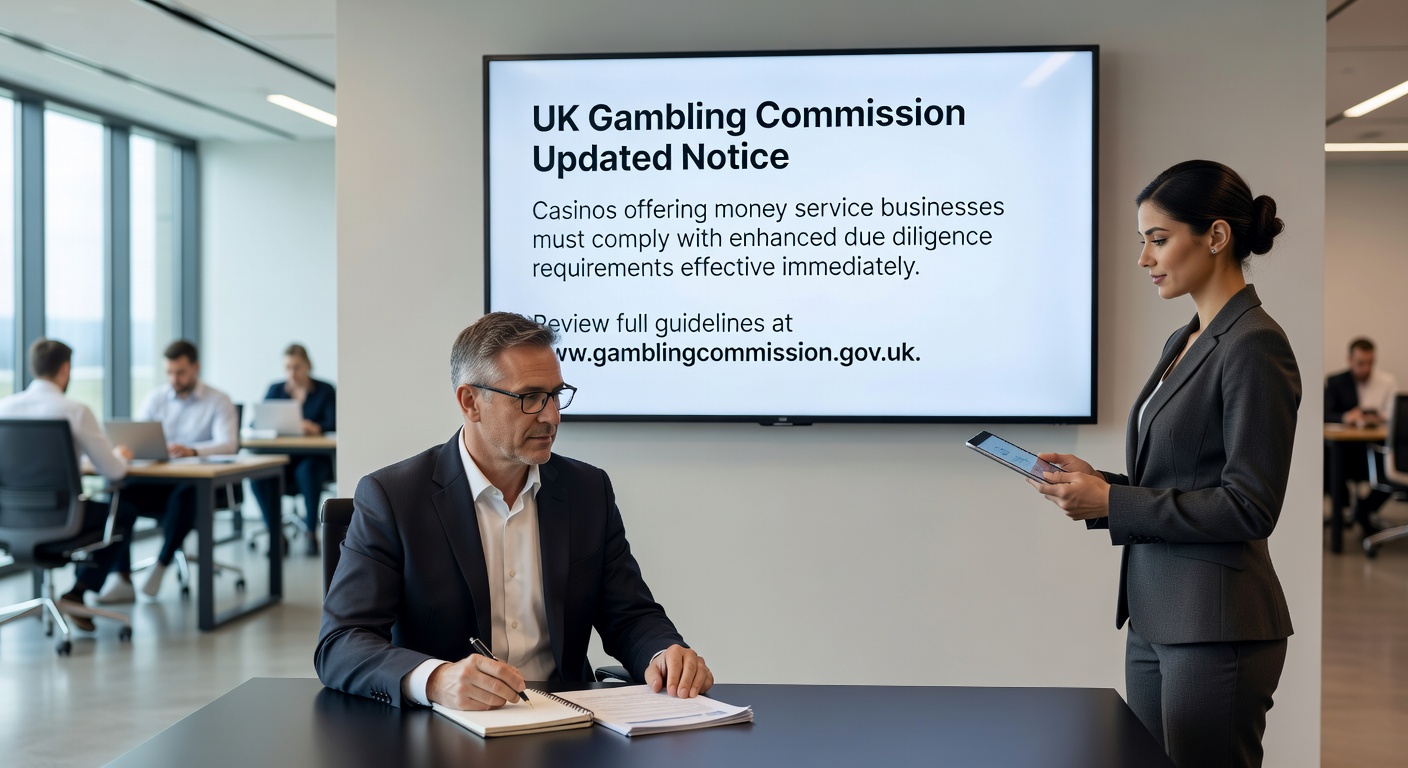
Take one operator who navigated the February version; they found the original risk assessment templates vague, leading to inconsistent application across branches, but this update provides standardized forms and examples, making compliance less of a guessing game. Researchers who've pored over similar regulatory shifts observe that such clarifications cut error rates by streamlining processes, although real-world uptake will show in upcoming audits.
Compliance Overhaul: What Operators Face Now
Under the new rules, casinos must appoint a dedicated money laundering reporting officer with specific training in MSB risks if they haven't already, while staff handling exchanges undergo annual refreshers that cover red flags like mismatched player profiles and sudden spikes in service usage; training logs become auditable records, subject to Commission spot-checks. That's where the rubber meets the road for smaller venues, who juggle these demands alongside daily operations.
But here's the thing: the notice also mandates technology upgrades for some, like automated screening tools that cross-reference customer data against sanctions lists in real-time, a nod to evolving threats from digital currencies creeping into physical cash exchanges. Observers point out how this aligns with broader Financial Conduct Authority expectations, creating a unified front against laundering across finance and gaming.
People in the industry often discover that record-keeping forms the backbone; every MSB transaction now requires a unique identifier tied to the customer's gambling profile, enabling traceability that previous guidelines left open to interpretation. And for those venues offering multi-currency services, conversion rate verifications add another layer, ensuring no artificial inflation hides fund origins.
Navigating the Ripple Effects Across the Sector
This adjustment hits at a pivotal moment, as UK casinos adapt to post-pandemic cash dynamics where international tourism rebounds but scrutiny intensifies; data from regulatory filings indicates that around 15% of licensed casinos offer MSB services, a figure that underscores the notice's reach without overwhelming the majority. Experts have observed similar updates in other jurisdictions, like Australia's tougher casino AML regimes, yielding measurable drops in suspicious activity reports after implementation.
Yet compliance costs climb, with one study revealing that mid-sized operators budget up to 20% more for AML staff post-guidance changes, although long-term savings emerge from fewer fines—penalties that have topped £10 million in high-profile cases over recent years. The writing's on the wall for laggards: non-adherence risks license suspension, as the Commission wields enforcement powers backed by on-site inspections scheduled through 2026.
There's this case where a regional casino chain, fresh off a February notice review, proactively audited its MSB desk and uncovered procedural gaps, averting potential issues; such stories highlight how the update serves as both stick and carrot, pushing proactive measures. Now, with April's version in hand, operators recalibrate policies, often consulting legal specialists versed in MLR 2017 nuances.
Looking at Enforcement and Future Horizons
The Gambling Commission signals ongoing vigilance through this notice, promising tailored guidance sessions for affected licensees and integrating MSB metrics into quarterly compliance dashboards; figures from prior quarters show land-based venues holding steady, but AML lapses could dent that stability if unaddressed. So operators who integrate these rules swiftly position themselves ahead, especially as peer-to-peer tech blurs lines between gaming and transfers.
It's noteworthy that the update emphasizes collaboration with banks and payment processors, requiring casinos to share risk data where legally permissible, a move that fortifies the ecosystem against cross-sector laundering. Those who've studied regulatory evolution note how such interconnected approaches mirror EU standards, keeping the UK aligned post-Brexit.
Short punch. Compliance deadlines loom by Q3 2026 for full rollout, giving breathing room but no excuses.
Conclusion
In wrapping up, the UK Gambling Commission's April 2026 updated notice refines the path for casinos blending money services with gaming, clarifying AML compliance in ways that tighten controls without reinventing the wheel; building on February's foundation, it equips operators with precise tools to manage risks, from due diligence to monitoring, ensuring the sector stays ahead of laundering threats. As enforcement ramps up, those who adapt thrive, while the broader landscape benefits from cleaner operations; this development marks a steady hand on the tiller for 2026's casino regulations, with eyes already turning to implementation results in coming reports.
Operators keep a close watch on Gambling Commission updates, knowing that staying compliant isn't just regulatory box-ticking—it's the key to sustainable play in a high-stakes world.