Britain's Betting Evolution: How Virtual Tables and Policy Shifts Are Redefining Casino Play Across the Isles
Logan Lang · Jul 8, 2026

UK Gambling Commission Introduces Staged Financial Risk Assessments for Operators
The UK Gambling Commission has confirmed a streamlined and staged rollout for Financial Risk Assessments across the gambling sector, and this development focuses on helping operators identify high-spending customers who might face financial difficulties while strengthening overall social responsibility standards.
According to the official announcement the new framework allows companies to implement checks in phases rather than facing an immediate full-scale requirement, and this approach gives businesses time to adjust their systems without disrupting existing operations.
Details of the Staged Implementation Process
Operators will begin with initial pilot stages that target specific customer segments before expanding to broader application, and the Commission designed these phases to incorporate feedback from early trials so adjustments can occur based on real-world data. The process emphasizes collaboration between regulators and industry participants while maintaining strict timelines for each stage to ensure steady progress toward full compliance.
High-spending customers receive priority attention under the assessments because patterns in their gambling activity often signal potential financial strain, and support measures include referrals to external advice services once difficulties become apparent. Data collected during these checks remains protected under existing privacy rules yet provides operators with clearer indicators for responsible intervention.
Enhancing Social Responsibility Measures
The assessments form part of wider efforts to promote safer gambling environments, and they build directly on previous guidance that encouraged operators to monitor customer behavior more closely. Companies must now integrate these tools into their customer interaction protocols which leads to earlier identification of at-risk individuals and reduces the likelihood of prolonged financial harm.
Evidence from prior regulatory reviews shows that phased introductions tend to yield higher compliance rates because operators gain practical experience at each step, and the Commission expects similar outcomes here as firms refine their internal processes over successive stages. Training programs for staff also feature in the rollout plan so employees understand how to apply assessment results consistently and fairly.
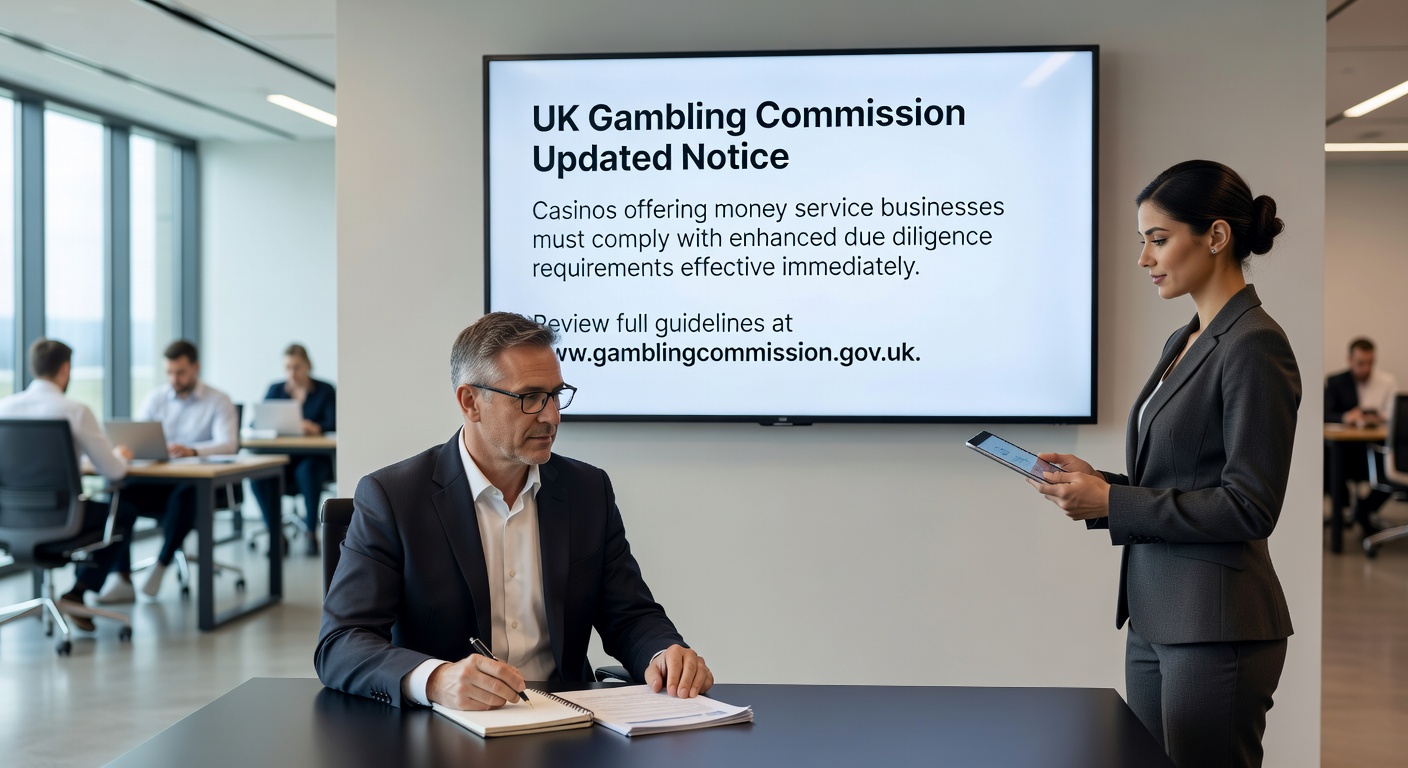
Timeline and Expected Milestones
Initial stages commence in the coming months with full integration targeted for later periods including activity around July 2026 when broader application across remote and land-based sectors is scheduled to accelerate, and this schedule allows sufficient preparation time while keeping momentum toward the end goal. Regular progress reports will be published so stakeholders can track developments and raise any operational concerns promptly.
The Commission continues to monitor international examples of similar risk assessment models and adapts elements that demonstrate effectiveness in comparable markets, and this research informs refinements to the UK-specific framework. Operators receive detailed guidance documents at each phase which outline required actions and acceptable methods for conducting the checks.
Impact on Gambling Operators and Customers
Businesses gain flexibility through the staged method because they can test systems on smaller scales first which minimizes potential errors when expanding later, and this structure supports innovation in how assessments integrate with existing responsible gambling tools. Customers benefit from earlier support options that address financial difficulties before they escalate into more serious issues.
Partnerships with financial advice organizations form a key component of the support network and these collaborations ensure that identified individuals receive appropriate guidance tailored to their circumstances. The overall effect strengthens trust in the regulatory system as measures demonstrate a proactive stance on player welfare without imposing sudden operational burdens.
Conclusion
The UK Gambling Commission's decision to proceed with a staged introduction of Financial Risk Assessments marks a measured advancement in regulatory practice that balances industry needs with customer protection priorities, and continued updates will clarify further details as implementation unfolds. This framework positions the sector to handle high-spending patterns more effectively while upholding standards of social responsibility across all licensed activities.