Betting Big on Change: UK Casinos Ride the Wave of New Rules and Tech Twists
Logan Lang · Apr 1, 2026

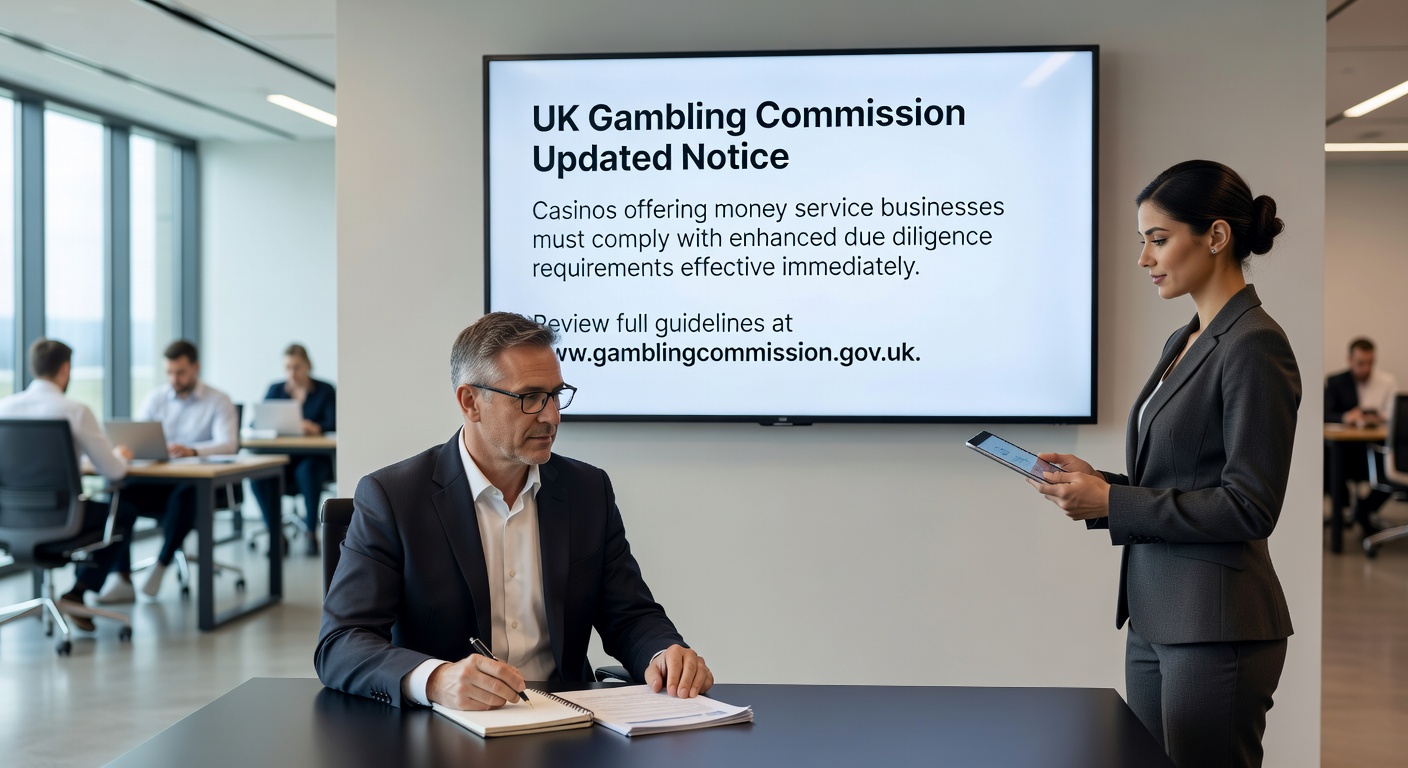
UK Gambling Commission Rolls Out Updated Rules for Casinos Handling Money Services
The Latest Move from Regulators in April 2026
Operators in the UK casino sector now face fresh requirements after the UK Gambling Commission (UKGC) published an updated regulatory notice targeting money service business (MSB) activities, such as currency exchange or money transmission; this development, which landed in early April 2026, builds directly on earlier guidance and sharpens the focus on anti-money laundering (AML) compliance across land-based venues. Casinos offering these services must notify the UKGC within just 10 days of either launching or halting them, supplying specifics like their full legal name, licence number, exact start or end dates, and the precise types of MSB operations involved, while also confirming authorisation or registration with the Financial Conduct Authority (FCA) under money laundering regulations. Data from the notice underscores how this step closes potential gaps in oversight, especially since prior alerts had highlighted registration obligations with HM Revenue & Customs (HMRC).
What's interesting here is the timing; with the casino industry still navigating post-pandemic recoveries and digital shifts, regulators zero in on physical operations where cash flows freely, and experts who've tracked these patterns note that such moves prevent the sector from becoming a soft spot for illicit funds. Take one venue operator who navigated similar rules early on; they discovered that prompt reporting not only avoids fines but streamlines audits, turning what could be a headache into routine paperwork.
Breaking Down the Notification Mandates
Casinos step into MSB territory when they handle tasks beyond gaming, like exchanging foreign currency for players or transmitting funds on their behalf, activities that trigger oversight from multiple bodies including the FCA and HMRC; under the new notice, operators hit the clock immediately upon decision, sending notifications via specified channels with all required details attached, and failure to do so risks enforcement actions since the UKGC positions this as a core licence condition. Figures reveal that hundreds of UK casinos engage in some form of currency services to cater to international visitors, yet until now, tracking changes in these offerings proved patchy, which is why the 10-day window stands out as a tight but practical deadline.
And it doesn't stop at notification; operators must hold valid FCA registration as payment institutions or electronic money institutions if applicable, or register as MSBs with HMRC, ensuring every layer aligns with the Money Laundering, Terrorist Financing and Transfer of Funds (Information on the Payer) Regulations 2017, as amended. Observers point out that this layered approach mirrors trends in other high-risk sectors, where real-time reporting cuts down on evasion risks, and those who've studied casino finances know that MSBs can process millions in transactions annually, making compliance non-negotiable.
Building on February's Foundation
This update traces straight back to a February 2026 notice from the UKGC, which first flagged the need for MSB registration with HMRC and urged casinos to review their setups; that earlier alert, detailed in the Casinos providing money service business activities (prior notice), set the stage by warning operators about potential licence breaches without proper checks, but the April version amps it up with mandatory reporting timelines and expanded details. Research into regulatory evolutions shows how such iterative notices refine enforcement, particularly in an industry where cash-intensive operations invite scrutiny, and data indicates that UK casinos generated over £1.2 billion in gross gambling yield from land-based activities alone in recent quarters, per UKGC stats.
But here's the thing: while the prior notice served as a heads-up, this one flips the script to active duty, requiring proactive updates that keep regulators in the loop on service fluctuations; for instance, a casino pausing currency exchange during low seasons or ramping it up for peak tourist months now documents those shifts formally. People familiar with the beat have seen how these evolutions deter bad actors, since unmonitored MSBs could launder funds through high-volume, low-scrutiny exchanges, and that's where the rubber meets the road for operator accountability.
Why AML Compliance Matters in Casinos
At its core, this regulatory push targets money laundering vulnerabilities inherent to casinos, where large cash deposits, chip conversions, and international dealings create perfect vectors for dirty money; studies from bodies like the Financial Action Task Force (FATF) have long flagged gaming venues as high-risk, with evidence suggesting that without robust checks, criminals exploit MSBs to layer funds before cashing out winnings. The UKGC's strategy, therefore, weaves these notifications into broader AML frameworks, compelling casinos to verify FCA status upfront and report changes swiftly, which in turn bolsters sector-wide transparency.
Turns out, enforcement data paints a clear picture; fines for AML lapses topped millions in recent years, hitting operators who overlooked MSB registrations, and one case saw a prominent venue slapped with penalties after irregular currency handling surfaced during audits. Experts observe that compliant casinos often integrate these requirements into daily ops via dedicated compliance teams, using software to track service statuses and automate alerts, while smaller outfits lean on legal advisors to stay ahead. It's noteworthy that this aligns with the Gambling Act 2005's emphasis on preventing crime, ensuring venues prioritise player protection alongside profits.
Practical Steps for Casino Operators
So, how do casinos gear up? First, they audit current MSB offerings, confirming FCA or HMRC status and preparing notification templates with all mandated fields; within 10 days of any change, submissions go through the UKGC's licensee portal, complete with supporting docs like registration certificates. And for those eyeing expansions, the notice serves as a checkpoint, reminding them that MSB add-ons demand dual approvals before launch, since operating without them breaches licence terms.
Those who've implemented similar protocols report smoother FCA interactions, as notifications flag venues to watch, fostering collaborative oversight rather than adversarial checks; plus, internal training ramps up, with staff drilled on spotting suspicious transactions amid currency swaps. Now, with April 2026 marking this pivot, operators scramble to update policies, and industry groups like the British Casino Association disseminate toolkits to ease the transition, highlighting templates and FAQs tailored to the notice.
Yet challenges persist for chains with multiple sites, where coordinating notifications across locations tests back-office efficiency, although cloud-based compliance platforms emerge as go-tos, streamlining what once bogged down teams. Observers note the ball's in operators' court to adapt quickly, lest they face the writing on the wall in upcoming inspections.
Broader Implications for the Sector
Across the UK casino landscape, this notice ripples outward, reinforcing a compliance-first ethos amid rising global pressures on financial crimes; data from Europol underscores how integrated MSB oversight disrupts transnational laundering rings, and UK venues, handling billions in wagers yearly, stand at the forefront. Casinos without MSBs breathe easier, but those involved gain clarity on expectations, potentially levelling the playing field since laggards risk reputational hits alongside fines.
What's significant is the proactive tone; by mandating change reports, the UKGC shifts from reactive probes to preventive monitoring, and early adopters who've shared experiences point to reduced audit times as a hidden win. In a scene buzzing with tech upgrades and stake tweaks, this grounded reminder keeps cash ops front and centre, ensuring the industry's integrity holds firm.
Wrapping Up the Regulatory Shift
As April 2026 unfolds, the UKGC's updated notice solidifies MSB guardrails for casinos, demanding 10-day notifications packed with details and ironclad FCA alignments, all while extending February's HMRC foundations into a tighter AML net. Operators who act decisively position themselves well, turning mandates into operational strengths, and with the sector's stake high, compliance emerges not just as duty but as smart business in a watchful regulatory era. Data confirms these steps curb risks effectively, paving a clearer path forward for UK gaming.